

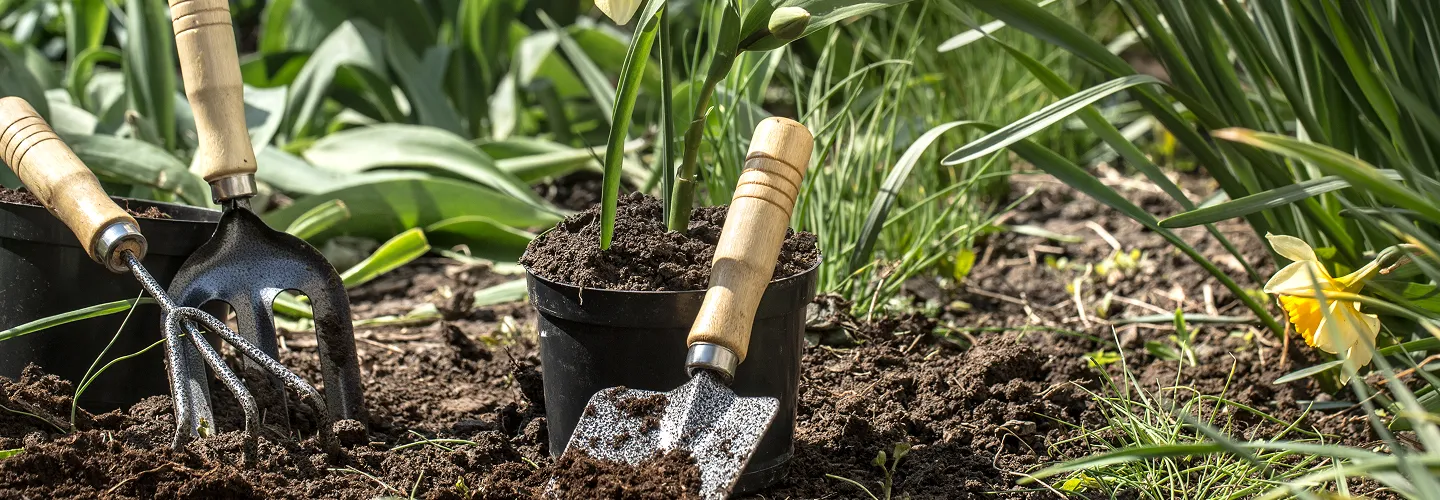
Medfield Lawn Installation Services
Choose our expert lawn installation for a seamless, hassle-free transformation—enjoy a vibrant, healthy yard that boosts your home's curb appeal and value, all backed by our commitment to quality and customer satisfaction.
Get a Free QuoteWhen to Schedule Lawn Installation in Medfield, Massachusetts – Seasonal Guide
Timing your lawn installation in Medfield, Massachusetts, is crucial for achieving a lush, healthy yard that thrives year-round. The best periods for new lawn installation are typically late spring and early fall, when temperatures are moderate and rainfall is more consistent. Medfield’s climate, with its cold winters and warm, humid summers, means that soil temperatures and moisture levels can vary significantly throughout the year. For neighborhoods near Noon Hill or along the Charles River, early fall is often ideal, as the soil is still warm from summer but the risk of drought diminishes and weed competition lessens.
Local environmental factors play a significant role in determining the optimal installation window. Frost dates, which usually occur in late October, can impact seed germination and root establishment. Areas with dense shade, such as those near Medfield State Hospital grounds, may require special attention to grass variety and timing. Additionally, soil types in Medfield range from sandy loam to clay, affecting drainage and nutrient retention. For more information on local climate and municipal guidelines, visit the Town of Sudbury’s official site.
Local Factors to Consider for Lawn Installation in Medfield
- Tree density and shade coverage, especially in established neighborhoods
- Terrain and slope, which influence water runoff and soil erosion
- Average precipitation and risk of summer drought
- Local frost dates and temperature fluctuations
- Soil composition and drainage characteristics
- Municipal restrictions or watering guidelines
Benefits of Lawn Installation in Medfield
Expert Local Knowledge
Premium Quality Sod
Efficient Installation Process
Customized Lawn Solutions
Sustainable Landscaping Practices
Comprehensive Aftercare Support
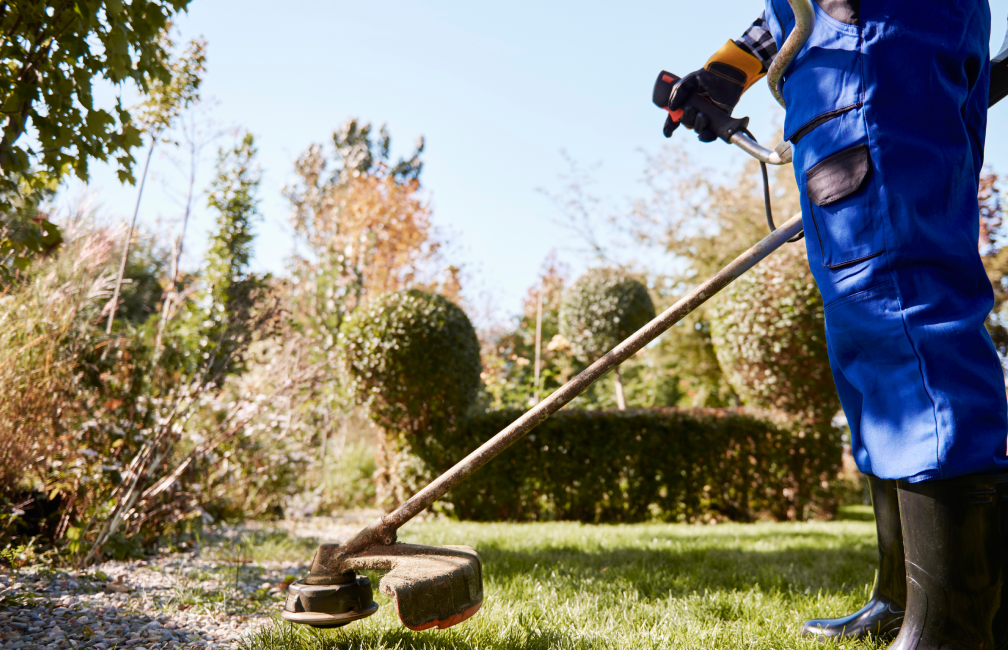
Medfield Lawn Installation Types

Sod Installation
-
Hydroseeding
-
Artificial Turf Installation
-
Traditional Seeding
-
Overseeding
-
Erosion Control Lawns
-
Drought-Resistant Lawns
Our Lawn Installation Process
Site Evaluation
Soil Preparation
Lawn Installation
Watering and Initial Care
Why Choose Medfield Landscape Services
-
Medfield Homeowners Trust Us
-
Expert Lawn Maintenance
-
Reliable Seasonal Cleanups
-
Competitive Pricing
-
Professional Team
-
Satisfaction Guarantee
-
Personalized Service
Contact Medfield's Department of Public Works for Site Preparation Debris & Installation Material Management
Proper debris and material management is essential for any lawn installation in Medfield. Existing vegetation must be disposed of through the town’s April–November yard waste collection program, using biodegradable paper bags only as required by the Massachusetts Department of Environmental Protection. Bulk soil and rock should be taken to the Transfer Station, which requires resident permits and may charge fees. Coordinate topsoil and amendment deliveries with municipal traffic regulations, and obtain equipment staging permits for large projects to protect infrastructure. Sod must be stored for no more than 24-48 hours in shade with irrigation, while seed should be kept cool and dry. Compost for amendments can be sourced through municipal programs. Notify neighbors in advance and always contact Dig Safe 811 at least 48 hours (preferably 72 hours) before excavation. For all site preparation and debris management questions:
Medfield Department of Public Works
55 North Meadows Road, Medfield, MA 02052
Phone: (508) 906-3003
Official Website: Medfield Department of Public Works
Comprehensive Site Assessment & Soil Testing Requirements for Medfield's Glacial Till & Rocky New England Soils
A thorough site assessment is critical in Medfield, where glacial till and rocky soils predominate. Mandatory soil testing through the UMass Soil and Plant Nutrient Testing Laboratory provides data on pH (typically 5.5-6.5 in MA), nutrients, and organic matter. Aim for a target pH of 6.5-7.0 and 3-5% organic matter. Use the USDA Web Soil Survey to identify soil series—glacial till (poor drainage), sandy outwash (rapid drainage), rocky shallow (limited depth), or marine clay (high water table). Assess compaction, topography, and existing vegetation. Always mark underground utilities with Dig Safe 811 at least 48 hours in advance. Integrate findings into grading, drainage, and amendment plans for sustainable lawn establishment.
Medfield Conservation Commission Requirements for New Lawn Installation Near Protected Areas
Lawn installation near wetlands, vernal pools, or streams in Medfield is regulated by the Massachusetts Wetlands Protection Act (M.G.L. c. 131, § 40). Permits (NOI/RDA) are required for work within 25-100 feet of protected resources. Seasonal restrictions may apply, especially during wildlife breeding periods (March-August for birds, March-June for vernal pools). Soil stabilization and erosion control are mandatory, particularly on clay/glacial till prone to runoff. Protect mature trees and coordinate with the Conservation Commission for properties near sensitive habitats. Immediate stabilization with silt fences or straw wattles is required for multi-day projects. For guidance and permitting:
Medfield Conservation Commission
459 Main Street, Medfield, MA 02052
Phone: (508) 906-3027
Official Website: Medfield Conservation Commission
Professional Installation Methods: Sod vs. Seed vs. Hydroseeding in Medfield's Climate Zone 6a
Selecting the right installation method depends on site conditions and project goals.
- Sod: Immediate results, erosion control, cost 0.50-1.50/sq ft, best for slopes/high-visibility, install spring/fall, store 24-48 hours max.
- Seed: Lower cost 0.10-0.30/sq ft, more species options, 4-8 week establishment, best for large/shaded areas, avoid summer heat.
- Hydroseeding: Moderate cost 0.20-0.50/sq ft, rapid application, excellent for slopes and clay/glacial till stabilization. Cool-season grasses like Kentucky bluegrass, perennial ryegrass, tall fescue, and fine fescues (for 50-70% shade) are recommended for Medfield’s Zone 6a. Professional standards require certified contractors and quality control, with establishment monitoring and warranties.
Medfield Building Department Permits for Grading, Drainage & Infrastructure Modifications
Major grading, drainage, or site alterations in Medfield often require permits, especially if moving more than 25-50 cubic yards of soil or disturbing large areas. Submit site and grading plans, drainage calculations, and species lists for review. Projects may also need Planning Board approval, Fire Department coordination for emergency access, and Conservation Commission permits for work near wetlands. Right-of-way and utility permits are required for work near municipal property or underground infrastructure. For permit applications and compliance verification:
Medfield Building Department
459 Main Street, Medfield, MA 02052
Phone: (508) 906-3005
Official Website: Medfield Building Department
Medfield Water Management Coordination for Irrigation System Installation & New Lawn Establishment
Installing or upgrading irrigation systems requires coordination with the Water Department. Backflow prevention devices are mandatory in MA and must be tested annually. Water meter sizing, system zoning, and controller programming should be designed for water conservation and compliance with local restrictions. Rain sensors are required by many ordinances. During establishment, new lawns need 2-3 light waterings daily for the first 2-4 weeks, then transition to deeper, less frequent watering. Summer water restrictions are common, but exemptions may apply for new lawns. For water service upgrades and irrigation permits:
Medfield Water and Sewer Division
55 North Meadows Road, Medfield, MA 02052
Phone: (508) 906-3004
Official Website: Medfield Water and Sewer Division
Post-Installation Stormwater Management & MS4 Compliance in Medfield
Projects disturbing more than 1,000 sq ft must comply with MS4 stormwater regulations under the Clean Water Act and MassDEP Stormwater Management Standards. Erosion and sediment controls (silt fences, straw wattles) are required during construction, especially on clay/glacial till. Equipment must be staged at least 100 feet from storm drains and water bodies. After installation, established lawns improve infiltration and reduce runoff, supporting groundwater recharge. Regular inspections and documentation are necessary. For MS4 compliance and stormwater guidance:
Medfield Department of Public Works
55 North Meadows Road, Medfield, MA 02052
Phone: (508) 906-3003
Official Website: Medfield Department of Public Works
Soil Amendment Standards, Base Preparation & Professional Installation Techniques
Improving Medfield’s soils is essential for sustainable lawns. Incorporate 2-4 inches of compost into the top 6-8 inches to enhance structure and drainage, especially in clay/glacial till. Apply 50-100+ lbs lime/1,000 sq ft to raise pH to 6.5-7.0. Use a starter fertilizer with 1 lb N/1,000 sq ft. Grade sites to a 1-2% slope away from structures and install subsurface drainage (French drains) for poorly drained soils, considering the 36-48 inch frost line. Certified contractors should use appropriate equipment and follow quality assurance protocols, including soil amendment verification and drainage testing. For technical guidance, consult UMass Extension.
Post-Installation Establishment Care & Long-Term Maintenance Planning in Medfield
Proper establishment is vital for long-term lawn health.
- Sod: Immediate deep watering, then daily for 2 weeks; reduce gradually.
- Seed/Hydroseeding: Light, frequent watering 2-3 times daily for 2-3 weeks; avoid runoff.
- First mowing: When grass reaches 3-4 inches, cut to 2.5-3 inches; never remove more than 1/3 of blade height. Fertilize 4-6 weeks after installation, using slow-release nitrogen based on soil test. Monitor for pests and diseases, and repair problem areas promptly. Fall is optimal for installation (late August-September), while spring is suitable after soil temps reach 50-55°F. For diagnostic support, contact the UMass Extension Turf Program.
What Neighborhoods Do We Serve Throughout Medfield, MA?
Medfield’s neighborhoods present diverse installation challenges. Areas with glacial till (e.g., North Street, Harding Street) have poor drainage and slow establishment, requiring extensive amendments. Sandy outwash zones (near Noon Hill) offer rapid establishment but need nutrient management. Rocky shallow soils (Pine Street, Hospital Hill) complicate excavation and require specialized equipment. Marine clay (near Charles River) faces high water tables and salt exposure. Narrow streets and mature landscaping in older neighborhoods (Downtown, Hospital Hill) limit equipment access. Many areas fall under Conservation Commission jurisdiction or Zone II wellhead protection, requiring additional permits. Historic Districts (Main Street) demand landscape character preservation. Always coordinate with Dig Safe 811 and local authorities for each project.
Medfield Municipal Ordinances for Installation Equipment Operation & Commercial Service Standards
Medfield regulates equipment operation hours: 7:00 AM-7:00 PM weekdays, 8:00 AM-6:00 PM Saturdays, with Sunday restrictions (often no work before 9:00 AM; verify local bylaws). Noise and decibel limits apply, especially in residential areas. Commercial installers must register with the Town Clerk, hold a Home Improvement Contractor registration for contracts over $1,000, and carry 1M minimum insurance. Bonding is required for municipal contracts. Traffic control and work zone setup may require coordination with the Police Department:
Medfield Police Department
112 North Street, Medfield, MA 02052
Phone: (508) 359-2315
Official Website: Medfield Police Department
Environmental compliance includes proper material handling, daily cleanup, and waste documentation per MassDEP and local ordinances. Always follow public notification and emergency response protocols for safe, responsible lawn installation.